


Electric bikes have redefined the landscape of urban commuting and off-road adventure, with fat tires emerging as a game-changing component that elevates stability, traction, and versatility for e-bike riders. Unlike standard bicycle tires, fat tires (width ≥3 inches) distribute the added weight of e-bike motors and batteries evenly, making them ideal for navigating diverse terrains—from city pavements and gravel paths to snow, sand, and mud. Selecting the right e-bike-compatible fat tire is not just about matching sizes; it requires a deep understanding of tire construction, tread design, pressure ratings, and how these elements align with an e-bike’s power output, intended use, and riding conditions. This guide breaks down the critical factors to consider when shopping for fat tires for electric bikes, offers professional recommendations for optimal performance, and highlights five top-tier Hycline fat tire models engineered to complement the unique demands of e-bike riding. Whether you’re a daily commuter seeking a smooth, energy-efficient ride or an adventure enthusiast craving off-road capability, this resource will help you make an informed decision that enhances your e-bike experience.

Key Considerations for Selecting E-Bike-Compatible Fat Tires
Electric bikes place distinct demands on tires that traditional bicycles do not—namely, the extra weight of the motor and battery pack, higher torque from electric assist, and the need to balance energy efficiency with traction. When evaluating fat tires for e-bikes, every design element, from width and diameter to tread pattern and rubber compound, plays a pivotal role in determining performance. Below is a detailed analysis of the non-negotiable factors to prioritize, with professional parameters and guidelines to streamline your selection process.
Tire Size: Matching Diameter and Width to E-Bike Geometry
Tire size is the foundational consideration, as an ill-fitting fat tire can compromise handling, frame clearance, and even motor efficiency. E-bike fat tires are typically labeled with a diameter (in inches) followed by a width (in inches), such as 20×4 or 26×4—the two most common sizes for electric fat bikes. Diameter choices align with e-bike type: 20-inch fat tires are prevalent on compact urban e-bikes and folding models, offering maneuverability for tight city streets and easy storage, while 26-inch fat tires dominate off-road e-bikes, delivering better rollover capability over rocks and uneven terrain. Width, meanwhile, directly impacts flotation and stability: 4-inch wide tires are the sweet spot for most e-bike riders, as they strike a balance between traction (critical for handling the torque of electric assist) and rolling resistance (key for preserving battery life). For riders tackling extreme terrain like deep snow or soft sand, wider options (4.5–5 inches) are available, but these require verifying frame and fork clearance—most e-bikes are designed for 4-inch tires, and wider options may cause rubbing during turns or suspension compression.
Professional guideline: Always cross-reference the tire size with your e-bike’s manufacturer specifications for maximum tire width and diameter. For urban e-bikes with 250W–500W motors, 20×4 or 26×4 tires are optimal; for high-power off-road e-bikes (750W+), 26×4 or 26×4.5 tires provide the stability needed to handle increased torque. Avoid mixing diameters—sticking to the stock diameter ensures proper chain alignment and motor gearing function.
Tread Design: Aligning Pattern with Riding Terrain
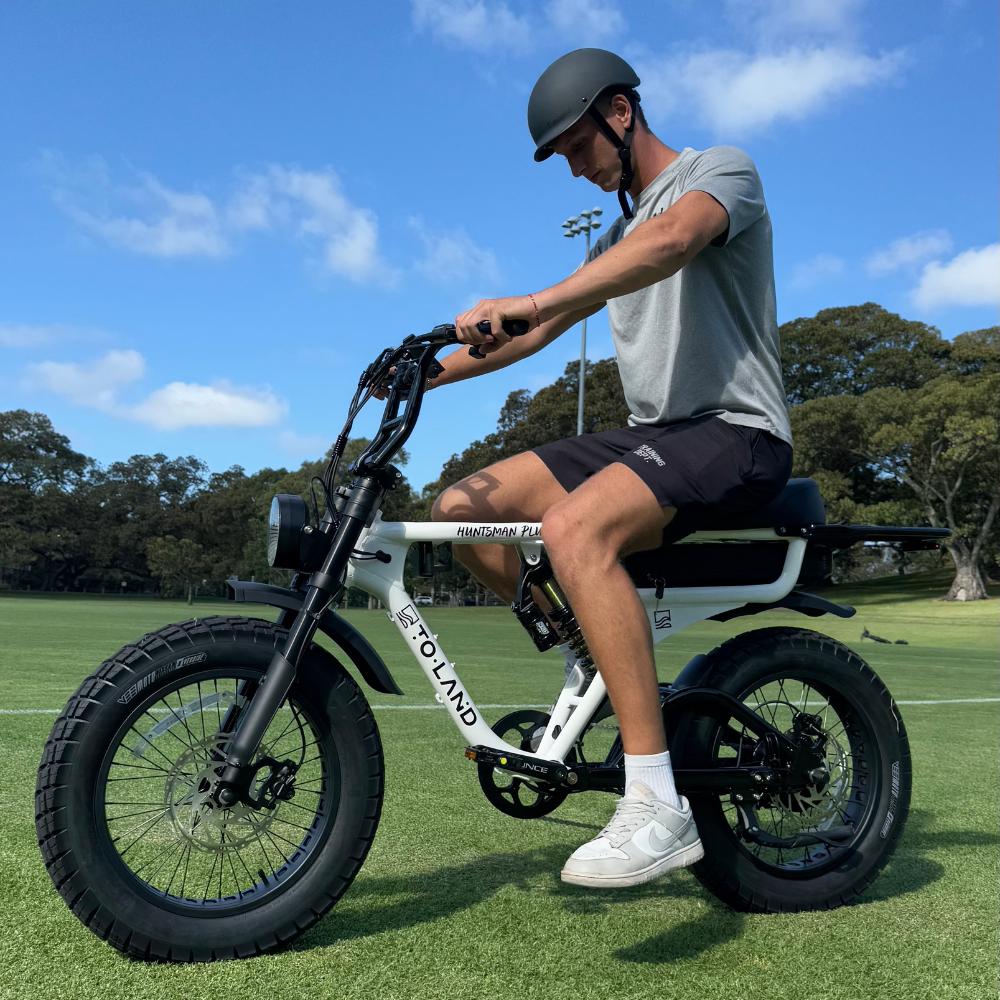
Tread design is the single most important factor in determining a fat tire’s performance on specific surfaces, and e-bike riders must select a pattern that matches their primary riding terrain to avoid unnecessary energy loss or compromised traction. E-bike-friendly fat tires fall into three core tread categories, each engineered for distinct use cases:
- Slick or semi-slick treads: Characterized by a smooth center with minimal side lugs, these tires are designed for urban commuting and paved roads. They minimize rolling resistance, which directly boosts e-bike battery efficiency—critical for daily riders covering long distances. Semi-slick treads add light side lugs for minor grip on wet pavements or light gravel, making them the most versatile choice for city e-bikes.
- All-terrain treads: Featuring a balanced pattern of medium-depth lugs across the tire surface, all-terrain fat tires excel on mixed terrain—think gravel paths, hard-packed dirt, and occasional pavement. The lugs provide enough traction for off-road detours without creating excessive drag, making them ideal for recreational e-bike riders who split time between city and countryside.
- Aggressive off-road treads: With deep, widely spaced lugs (often referred to as “knobbies”), these tires are built for extreme terrain: mud, snow, loose sand, and rocky trails. The deep lugs dig into soft surfaces to prevent slipping, while the wide spacing allows mud and snow to clear from the tread, maintaining traction. Aggressive treads are best for high-power off-road e-bikes, as the added rolling resistance is offset by the motor’s torque.
Professional guideline: For e-bikes used 80%+ on pavement, opt for a semi-slick tread with a rubber compound durometer of 60–65 Shore A (a measure of rubber hardness) for a mix of durability and grip. For all-terrain riding, choose a medium-depth tread (3–5mm lug depth) with a 55–60 Shore A compound for flexibility and traction. For extreme off-road, select aggressive treads with 6–8mm lug depth and a softer 50–55 Shore A compound for better surface conformability—note that softer compounds wear faster on pavement, so they are not ideal for mixed use.
Rubber Compound and Construction: Durability for E-Bike Weight and Torque
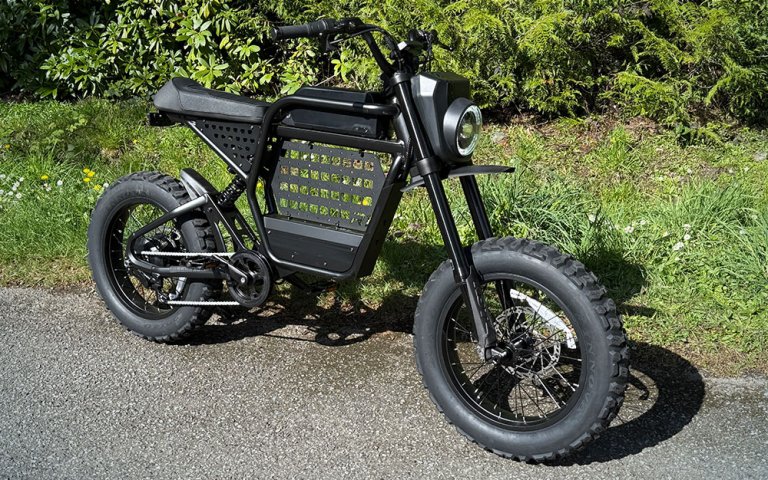
Electric bikes are significantly heavier than traditional bicycles (often 50–80 lbs vs. 20–30 lbs), and this extra weight, combined with motor torque, accelerates tire wear and increases the risk of punctures. E-bike-compatible fat tires must feature reinforced construction and durable rubber compounds to withstand these stresses. Key construction features to look for include:
- Kevlar puncture protection: A layer of Kevlar under the tread or sidewall prevents flats from glass, thorns, and sharp rocks—an essential feature for urban commuters and off-road riders alike. Kevlar-reinforced tires add minimal weight while drastically improving durability, a must for e-bike riders who rely on their bikes for daily transportation.
- Dual-compound rubber: Many premium e-bike fat tires use a dual-compound design, with a harder rubber center for low rolling resistance and softer rubber side lugs for enhanced cornering traction. This design addresses the dual needs of e-bike riders: efficiency on straightaways and stability during turns, even with the added weight of the motor.
- Reinforced sidewalls: Fat tire sidewalls are prone to pinching (snake bites) and abrasion, especially on e-bikes due to higher weight. Reinforced sidewalls (often labeled “anti-pinch” or “heavy-duty”) use thicker rubber or additional fabric layers to prevent damage from curbs, rocks, and uneven terrain.
Professional guideline: Prioritize tires with Kevlar puncture protection if your riding includes urban streets or gravel paths—puncture-resistant tires reduce downtime and repair costs, a critical benefit for e-bike users. For off-road e-bikes, dual-compound rubber and reinforced sidewalls are non-negotiable to handle rough terrain and high torque. Avoid budget tires with single-compound rubber for e-bikes, as they wear quickly and offer poor traction under load.
Tire Pressure: Optimizing for Flotation, Traction, and Efficiency
Fat tire pressure is a highly adjustable parameter that directly impacts e-bike performance, yet it is often overlooked by riders. Unlike standard tires, fat tires operate at very low pressures—typically 5–20 PSI (pounds per square inch)—to maximize the contact patch (the area of the tire touching the ground), which distributes weight and improves flotation on soft surfaces. For e-bikes, pressure must be calibrated to account for the bike’s total weight (bike + rider + motor/battery) and terrain:
- High pressure (15–20 PSI): Ideal for paved roads and hard-packed terrain, higher pressure reduces rolling resistance and boosts battery efficiency. This is the sweet spot for urban e-bike commuters, as it delivers a smooth ride while preserving energy.
- Medium pressure (10–15 PSI): Suited for all-terrain riding (gravel, hard dirt), medium pressure balances flotation and traction, preventing the tire from sinking into soft spots while maintaining efficiency.
- Low pressure (5–10 PSI): Reserved for extreme soft terrain (snow, sand), low pressure maximizes the contact patch, allowing the e-bike to “float” over surfaces without getting stuck. However, low pressure increases the risk of pinch flats, so it should only be used when necessary, and riders should avoid sharp rocks at these pressures.
Professional guideline: Start with the manufacturer’s recommended pressure range (printed on the tire sidewall) and adjust based on total weight and terrain. For an e-bike with a total weight (bike + rider) of 250 lbs, begin at 12–15 PSI for all-terrain use and decrease by 2–3 PSI for softer surfaces. Invest in a high-quality low-pressure tire gauge (0–30 PSI) — standard gauges are inaccurate at fat tire pressures, leading to over- or under-inflation.
Rolling Resistance: Balancing Traction and Battery Life
Rolling resistance—the force required to move the tire across a surface—directly impacts e-bike battery range. Higher rolling resistance means the motor has to work harder, draining the battery faster, while lower rolling resistance improves efficiency but may sacrifice traction. E-bike-friendly fat tires are engineered to minimize rolling resistance without compromising the grip needed to handle motor torque, a delicate balance achieved through tread design, rubber compound, and tire construction. Slick and semi-slick treads have the lowest rolling resistance, making them ideal for urban e-bikes, while all-terrain treads offer a moderate balance, and aggressive off-road treads have the highest rolling resistance (a necessary trade-off for traction on soft terrain).
Professional guideline: For e-bikes with a battery range of 20–30 miles, prioritize low rolling resistance tires (semi-slick or all-terrain) to extend range. For high-range e-bikes (40+ miles), riders can opt for more aggressive treads without significant range loss. Always test tire pressure when evaluating rolling resistance—even a slightly under-inflated tire can increase resistance by 20% or more.
Featured Hycline E-bike Friendly Fat Tires for Electric Bikes

1. Hycline HyperPave (Single Tire: 20/24/26×4) – Urban Commuting & City E-Bikes
The Hycline HyperPave is the gold standard for e-bike riders who prioritize smooth, quiet, and energy-efficient urban commuting. Designed as a power-friendly fat tire for city tour e-bikes, the HyperPave features a semi-slick tread pattern with a smooth center and minimal, rounded side lugs—engineered to minimize rolling resistance on paved roads while providing reliable grip on wet pavements and light gravel. Its rubber compound (62 Shore A) strikes a perfect balance between durability and low drag, ensuring the e-bike’s motor expends less energy on straightaways, directly boosting battery range. The HyperPave is constructed with a reinforced sidewall to resist abrasion from curbs and potholes, a common hazard in urban environments, and its low-noise tread design delivers a quiet ride—an often-overlooked benefit for city commuters. Available in 20×4, 24×4, and 26×4 sizes, the HyperPave fits nearly all urban e-bikes and folding electric fat bikes, with a discounted price of $49.99 (original $55.99) for a single tire.

Use case: Daily urban commuting, city touring, and paved road riding on 250W–500W urban e-bikes.
2. Hycline Raider (20/26×4, Kevlar-Reinforced) – All-Terrain E-Bike Adventure
The Hycline Raider is a versatile all-terrain fat tire built for e-bike riders who split their time between pavement, gravel, and light off-road trails. Engineered with a balanced medium-depth tread pattern and Kevlar puncture protection, the Raider delivers reliable traction on mixed terrain while minimizing rolling resistance—ideal for recreational e-bike riders and adventure commuters. Its aggressive yet efficient tread design features evenly spaced lugs (4mm depth) that dig into gravel and hard-packed dirt without creating excessive drag on pavement, and the Kevlar layer under the tread prevents flats from thorns, glass, and sharp rocks. The Raider is designed for electric, snow, and mountain e-bikes, with a rubber compound (58 Shore A) that offers flexibility for off-road traction and durability for pavement riding. It features reinforced sidewalls to handle the extra weight of e-bikes, and the Kevlar construction adds minimal weight while drastically improving puncture resistance. Available in 20×4 and 26×4 sizes at a discounted price of $45.99 (original $54.99), the Raider is also offered in a white-wall version for riders seeking a custom aesthetic, and a 1-pair folding option for easy storage.
Use case: All-terrain riding (pavement, gravel, hard dirt, light snow) on 500W–750W recreational and off-road e-bikes.
3. Hycline Auxfore (20×4) – E-Bike Efficiency & Stability for Compact Models
The Hycline Auxfore is a purpose-built fat tire for compact 20-inch electric fat bikes and folding e-bikes, designed to deliver stability, power-saving riding, and low rolling resistance—three critical attributes for smaller e-bike models, which often struggle with stability due to their compact geometry. The Auxfore features a optimized semi-slick tread pattern with a wide contact patch, which distributes the weight of the e-bike’s motor and battery evenly, improving stability on both pavement and light gravel. Its rubber compound (60 Shore A) is engineered for low rolling resistance, ensuring the compact e-bike’s smaller battery (common on folding models) delivers maximum range, and the reinforced construction handles the extra weight of electric assist without compromising durability. The Auxfore is recommended explicitly for e-bike and fat-tire rides, with a design that prioritizes power efficiency—its low rolling resistance means the motor works less, extending battery life for short urban commutes and recreational rides. Priced at $65.99, the Auxfore is a premium option for compact e-bike riders who value stability and efficiency above all else.

Use case: Compact 20-inch folding e-bikes, urban commuting, and light recreational riding on 250W–350W compact electric fat bikes.
4. Hycline Rock Conqueror (20/26×4) – Extreme Off-Road E-Bike Terrain
The Hycline Rock Conqueror is Hycline’s heavy-duty fat tire for high-power off-road e-bikes, engineered to tackle muddy, gravelly, and rocky terrain with uncompromising traction. Dubbed the “muscle fat bike tire,” the Rock Conqueror features a patent-pending “Big Convex Button” tread design with deep, widely spaced lugs (6mm depth) that dig into soft mud and loose gravel, while the convex shape of the lugs ensures quick mud and snow clearance—critical for maintaining traction on extreme terrain. Its rubber compound (52 Shore A) is soft and flexible, allowing the lugs to conform to rocky surfaces for enhanced grip, and the reinforced construction handles the high torque of 750W+ off-road e-bikes without wear or damage. The Rock Conqueror is available in 20×4 and 26×4 sizes at a discounted price of $59.99 (original $65.99), with 59 customer reviews praising its performance in muddy and gravelly conditions—making it the top choice for e-bike riders who live for off-road adventure.

Use case: Extreme off-road terrain (mud, gravel, rocks, deep snow) on 750W+ high-power off-road electric fat bikes.
Final Professional Tips for E-Bike Fat Tire Maintenance and Performance
Selecting the right e-bike-friendly fat tire is only the first step in optimizing your electric bike’s performance—proper maintenance is equally important to extend tire life, preserve efficiency, and ensure safety. Below are professional maintenance tips tailored to e-bike fat tires, designed to maximize performance and longevity:
- Check pressure regularly: E-bike fat tires lose pressure faster than standard tires due to their large volume—check pressure at least once a week, and before long rides. Use a low-pressure gauge for accuracy, and adjust based on terrain and weight.
- Inspect for wear and damage: The extra weight and torque of e-bikes accelerate tire wear—inspect the tread for uneven wear (a sign of improper pressure or alignment) and the sidewalls for cuts or abrasions. Replace tires when the tread depth is less than 2mm (for urban) or 3mm (for off-road).
- Clean tread and sidewalls: For off-road e-bike riders, clean mud and debris from the tread after each ride to prevent lug damage and maintain traction. Use a soft brush and mild soap—avoid harsh chemicals that can degrade the rubber compound.
- Rotate tires (for dual-wheel drive e-bikes): If you ride a dual-wheel drive off-road e-bike, rotate the front and rear tires every 500 miles to ensure even wear—the rear tire (which bears more weight and torque) wears faster than the front.
- Pair with quality inner tubes: E-bike fat tires require heavy-duty inner tubes to handle low pressures and extra weight—opt for thorn-resistant tubes (matching the tire size) to further reduce the risk of flats. Hycline’s 2-pack fat tire tubes (20×4/26×4) are a perfect match for all Hycline fat tires, with durable construction and a discounted price of $24.99.
Conclusion
E-bike-friendly fat tires are more than just a component—they are the bridge between the power of electric assist and the versatility of off-road and urban riding. By prioritizing tire size, tread design, rubber compound, and pressure, e-bike riders can select a fat tire that aligns with their intended use, boosts battery efficiency, and enhances performance across diverse terrains. Hycline’s fat tire lineup stands out for its e-bike-specific engineering, with models tailored to every riding style—from the energy-efficient HyperPave for urban commuters to the extreme off-road Rock Conqueror for adventure enthusiasts. Each Hycline model features reinforced construction, optimized tread designs, and durable rubber compounds, ensuring compatibility with the unique demands of electric bikes. Whether you’re a daily commuter seeking a smooth, efficient ride or an off-road enthusiast craving uncompromising traction, the right Hycline fat tire will elevate your e-bike experience, unlocking new trails and making every ride more enjoyable. With proper selection and maintenance, your e-bike fat tires will deliver years of reliable performance, proving that the right tire is the most impactful upgrade you can make to your electric bike.


