



Gravel riding has emerged as one of the fastest-growing disciplines, blending the speed of road cycling with the ruggedness of mountain biking. As off-road riding enthusiasts push the boundaries of where their bikes can go, a common question arises: Can a mountain bike tire be fitted directly onto an adventure bike, and if so, what trade-offs and considerations come with this choice? This question is not just a matter of curiosity but a practical inquiry for riders looking to optimize their mixed-terrain bike’s performance across diverse terrain, from smooth pavement to rocky backroads and muddy trails. Mountain bike tires are engineered for extreme off-road traction and durability, while gravel bike tires strike a balance between rolling efficiency and all-terrain capability. Understanding the compatibility, technical parameters, and real-world performance of mixing these two tire types is essential for making an informed decision—one that aligns with your riding style, terrain, and bike’s design. In this comprehensive guide, we’ll dive into the technical nuances of mountain bike tire and gravel bike tire compatibility, outline the risks and benefits of this swap, provide professional guidelines for safe implementation, and finally, recommend Hycline’s premium gravel bike tire lineup—crafted to deliver the best of both worlds without the compromises of ill-fitted mountain bike tires.
The Core Differences: Mountain Bike Tire vs. Gravel Bike Tire Design
To understand whether a mountain bike tire can work on an adventure bike, it’s first critical to break down the fundamental design differences between these two tire categories. Both are built for off-road performance, but their engineering priorities, dimensions, and tread patterns are tailored to distinct riding scenarios—differences that directly impact compatibility and performance when cross-fitted.
Mountain Bike Tire: Built for Extreme Terrain
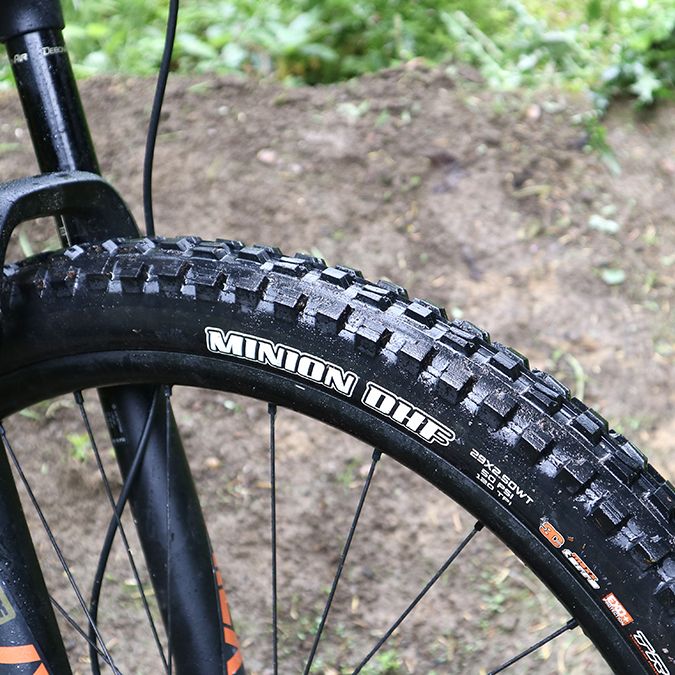
Mountain bike tires are designed to conquer the most challenging off-road conditions: steep singletrack, loose rock, deep mud, and root-strewn trails. Their defining characteristics start with size and width: mountain bike tires typically feature wheel diameters of 26”, 27.5”, or 29” (650b), with widths ranging from 2.0” (50.8mm) to 3.0” (76.2mm) or more for fat bikes. This extra width is engineered to provide maximum floatation on soft surfaces, absorb heavy impacts, and deliver uncompromising traction via aggressive, deep tread lugs and knobs. Key Mountain Bike Tire Parameters (Icon reference: Insert parameter icon—gears/measurements—here):
- Wheel Diameter: 26”, 27.5” (650b), 29” (most common for XC and trail riding)
- Width Range: 2.0” (50.8mm) – 3.0” (76.2mm+); XC models lean toward 2.1”–2.25” (53mm–57mm)
- Pressure Range: 15–30 PSI (tubeless setups); lower for mud/soft terrain, higher for hardpack
- Tread Depth: 5–10mm (aggressive knobs); side knobs 3–8mm for cornering grip
- Casing TPI (Threads Per Inch): 60–120 TPI; thicker casings (60–80 TPI) for durability, thinner (100–120 TPI) for compliance
- Weight: 600–800 grams (29” x 2.25” XC tire); 800+ grams for enduro/downhill models
The rubber compounds of mountain bike tires are also formulated for durability and grip—often softer, stickier compounds (Shore A 50–60) for wet or muddy terrain, or harder compounds (Shore A 60–70) for dry, rocky trails—with reinforced sidewalls to resist punctures from sharp rocks and roots. Their tread design features large, widely spaced knobs on the side (side knobs) for cornering grip, and a more aggressive center tread for forward traction on loose ground. Many mountain bike tires also incorporate tubeless-ready technology with thick rubber casings and bead locks, designed to run at extremely low tire pressures for maximum contact patch and shock absorption.
Gravel Bike Tire: The Balance of Speed and Versatility
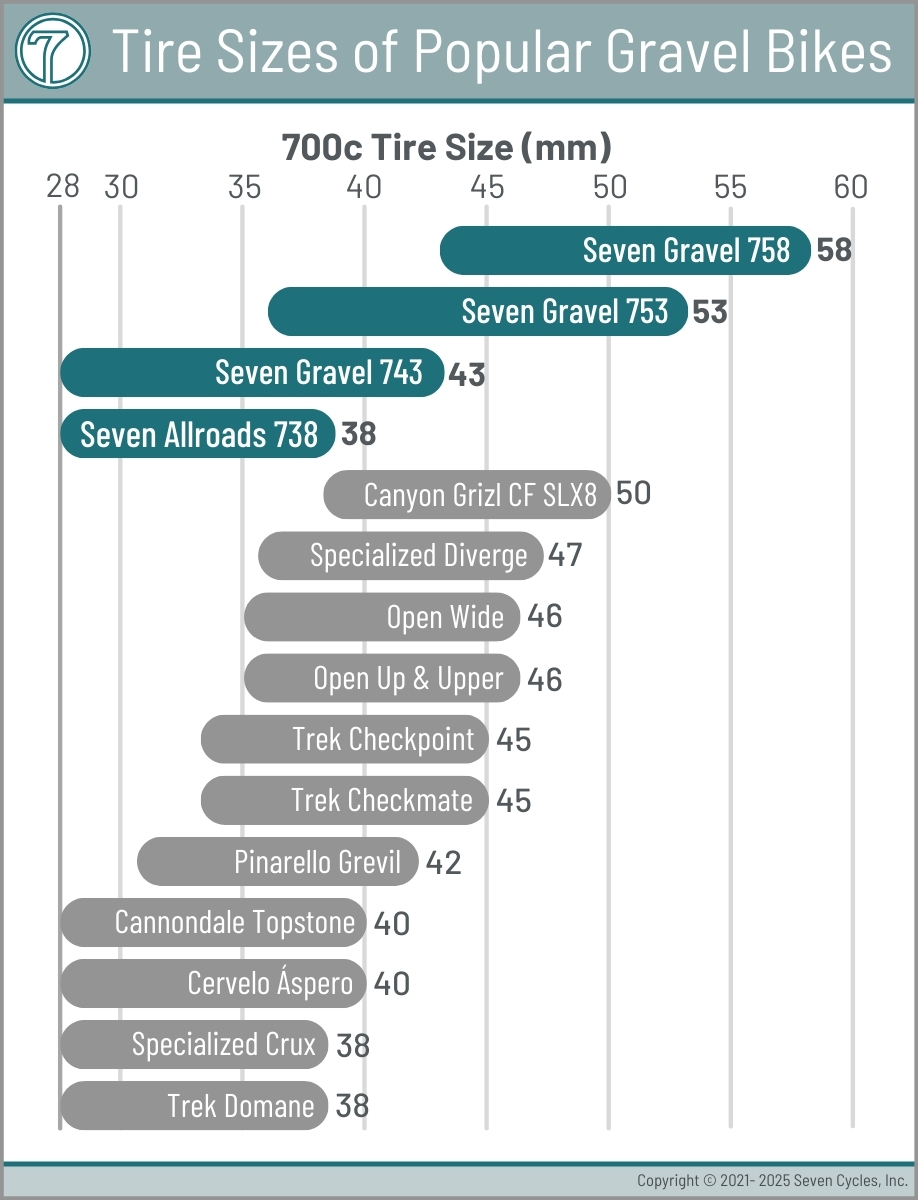
Gravel bike tires, by contrast, are the Swiss Army knife of cycling tires—engineered to perform across a spectrum of surfaces, from smooth asphalt and packed gravel to light mud and hardpack trails. The standard wheel diameter for adventure bikes is 700c (equivalent to 29” in mountain biking), with tire widths ranging from 35c (35mm) to 50c (50mm), though modern mixed-terrain bikes are increasingly designed to accommodate wider tires up to 55c or more. This width range is a deliberate middle ground: narrow enough to maintain rolling efficiency on pavement, yet wide enough to absorb bumps and provide traction on loose gravel when run at lower pressures (30–50 PSI for most riders).
Key Gravel Bike Tire Parameters (Icon reference: Insert parameter icon—gears/measurements—here, aligned with mountain bike parameter icon):
- Wheel Diameter: 700c (29” equivalent); some niche models use 650b (27.5”) for better floatation
- Width Range: 35c (35mm) – 55c (55mm); most common sizes 40c–45c (40mm–45mm)
- Pressure Range: 30–50 PSI (tubeless setups); 35–40 PSI for mixed terrain, 30–35 PSI for loose gravel
- Tread Depth: 1–3mm (center); 2–5mm (side knobs); semi-slick designs for low rolling resistance
- Casing TPI (Threads Per Inch): 120–180 TPI; higher TPI for smoother ride, reinforced layers for puncture protection
- Weight: 400–550 grams (45c gravel tire); lighter than most mountain bike tires of comparable width
Gravel bike tire tread patterns are a masterclass in compromise: a smooth or lightly textured center tread minimizes rolling resistance on hard surfaces, while moderately sized, closely spaced side knobs deliver reliable grip for cornering on gravel or dirt. The rubber compounds strike a balance between durability and rolling efficiency (to keep speed high on pavement), with reinforced casings and puncture protection layers to prevent flats from gravel and debris. Most modern bike tires are tubeless-ready, aligning with the trend in cycling to eliminate inner tubes for better puncture resistance and the ability to run lower pressures without pinch flats.
Key Parametric Differences at a Glance
While the 700c/29” wheel diameter creates a theoretical overlap between mountain bike tires and adventure bike rims, the critical differences lie in width, pressure range, and tread design—all of which impact how a mountain bike tire interacts with an adventure bike’s frame, fork, and drivetrain. A 29” mountain bike tire with a width of 2.25” (57mm) is physically wider than most stock gravel bike tires (40c–45c), and its low-pressure design and aggressive tread create a host of compatibility and performance considerations that cannot be overlooked.
Can You Fit a Mountain Bike Tire on a Gravel Bike? Compatibility Realities
The short answer to this question is yes, in some cases—but it is not a universal “direct fit”, and it comes with significant caveats. The feasibility of fitting a mountain bike tire on a gravel bike hinges on three non-negotiable factors: frame and fork clearance, rim width compatibility, and drivetrain clearance. Even if a mountain bike tire physically fits on the rim, inadequate clearance in other areas can lead to dangerous riding conditions, frame damage, and poor performance. Let’s break down each factor in detail, with professional parameters and guidelines for safe implementation.
Frame and Fork Clearance: The Most Critical Factor
Adventure bike frames and forks are designed with specific tire clearance in mind—this is the amount of space between the tire and the frame (down tube, seat tube, chain stays) and fork (legs, crown). Most traditional mixed-terrain bikes have a maximum tire clearance of 45c–47c (45mm–47mm), while modern “adventure gravel” bikes are engineered to accommodate wider tires up to 50c–57c (50mm–57mm). Mountain bike tires, even XC-focused 29” x 2.1” (53mm) or 2.25” (57mm) models, push the limits of this clearance—and in many cases, exceed it entirely.A mountain bike tire that is too wide for an adventure bike’s frame will rub against the down tube, seat tube, or chain stays during riding—especially when cornering, hitting bumps, or when the wheel flexes under load. This constant friction not only creates an annoying noise but also wears away the bike’s paint, and in the case of carbon fiber frames, can cause structural fatigue or even cracking over time. For carbon adventure bikes, this is a particularly serious risk: carbon fiber is not resistant to repeated friction, and even small scratches can compromise the frame’s integrity. Aluminum frames are more durable in this regard, but paint wear and potential metal fatigue are still concerns with prolonged rubbing.Professional Clearance Guideline (Icon reference: Insert measurement icon—caliper visual—here): For a mountain bike tire to be safely fitted on an adventure bike, there must be a minimum of 5mm of static clearance between the tire and all frame/fork components when the bike is stationary, and 3mm of dynamic clearance when the wheel is jiggled side to side (to account for wheel flex during riding). This means that if your adventure bike has a maximum rated clearance of 50c (50mm), a 29” x 2.1” mountain bike tire (53mm) is already pushing the limit—and a 2.25” (57mm) tire is likely too wide. Even if the tire fits statically, dynamic rubbing is almost guaranteed on rough terrain.
Rim Width Compatibility: The “Tire Profile” Factor
Rim width is another critical parameter that is often overlooked when swapping mountain bike tires onto adventure bike rims. Tires are designed to be mounted on rims of a specific width range: a tire’s sidewalls will form an optimal “profile” (round, stable) when mounted on a rim that is 1.65x the tire’s internal width. Mountain bike rims are typically wider (28mm–35mm internal width) to support the larger volume of mountain bike tires, while adventure bike rims are narrower (21mm–28mm internal width) for smaller, more efficient tire profiles.When a mountain bike tire is mounted on a narrow adventure bike rim, the tire’s sidewalls are forced inward, creating a pinched, unstable profile. This not only reduces the tire’s contact patch (negating the traction benefits of the mountain bike tire) but also increases the risk of pinch flats—even when running low pressures—because the tire’s sidewalls are more likely to fold under load. Conversely, a gravel bike tire mounted on a wide mountain bike rim will have an overly rounded profile, which can reduce cornering stability and increase rolling resistance.Professional Rim Width Guideline (Icon reference: Insert rim/tire profile icon—cross-section visual—here): For a 29” mountain bike tire with a width of 2.1”–2.25” (53mm–57mm), the optimal rim internal width is 30mm–35mm. Most adventure bike rims have an internal width of 21mm–25mm, which is too narrow to support a mountain bike tire’s volume. While the tire will physically mount to the rim, the compromised profile will significantly impact traction, stability, and puncture resistance—defeating the purpose of swapping to a mountain bike tire for better off-road performance.
Drivetrain Clearance: Avoiding Chain and Cassette Rub
The final compatibility factor is drivetrain clearance—the space between the rear tire and the chain stays, cassette, and derailleur. Mountain bike tires are wider than gravel bike tires, and this extra width can cause the tire to rub against the cassette (especially on the largest cog) or the rear derailleur when pedaling or shifting. This is a particular issue on adventure bikes with a double chainring setup, which has less rear clearance than single-chainring (1x) setups. Even on 1x mixed-terrain bikes, a wide mountain bike tire can limit chain stay clearance, leading to mud and debris buildup between the tire and frame—a problem that not only causes rubbing but also can jam the drivetrain in wet or muddy conditions.Professional adventure bike designers account for drivetrain clearance when setting maximum tire width, and exceeding this width can create unforeseen issues with shifting performance and drivetrain durability. For example, the Santa Cruz Stigmata—a top-tier adventure bike—has a maximum tire clearance of 50c (50mm) with a 1x drivetrain and just 45c (45mm) with a 2x setup; fitting a 2.25” (57mm) mountain bike tire on this bike would result in immediate cassette and chain stay rub, even with a 1x drivetrain.
The Pros and Cons: What Happens When You Use a Mountain Bike Tire on a Gravel Bike?
For riders who have an adventure bike with sufficient clearance (e.g., modern adventure gravel bikes with 55c+ clearance) and are willing to accept the rim width compromise, fitting a mountain bike tire can deliver certain performance benefits—especially on extremely rugged loose terrain. However, these benefits come with significant trade-offs that impact on-road performance, handling, and bike durability. Let’s weigh the pros and cons objectively, based on real-world riding data and professional testing.

The Potential Benefits: Traction and Durability on Extreme Gravel
The primary reason riders consider swapping to a mountain bike tire on an adventure bike is enhanced off-road traction—a critical advantage on terrain that pushes the limits of traditional gravel bike tires, such as loose rock, deep gravel, mud, and singletrack. Mountain bike tires’ aggressive tread lugs and wider profile provide a larger contact patch and better bite into soft or loose surfaces, reducing skidding and improving cornering confidence. This is why professional gravel racers like Keegan Swenson and Payson McElveen have experimented with 2.25” mountain bike tires on their adventure bikes for ultra-rugged races like the SBTGRVL and Leadville 100—on these courses, the traction benefits outweigh the rolling resistance trade-offs.A secondary benefit is improved puncture resistance and durability. Mountain bike tires have thicker sidewalls and more robust casings than most gravel bike tires, making them less susceptible to punctures from sharp rocks and debris. This is a major plus for riders who frequent rocky backroads where flat tires are a common occurrence. Mountain bike tires also handle heavy impacts better, absorbing the shock of potholes and rock gardens more effectively than gravel bike tires—reducing fatigue on long rides and protecting the bike’s frame and fork from impact damage.Finally, mountain bike tires excel at low-pressure riding, which is key for mixed-terrain performance. Because they are designed to run at 15–30 PSI, they conform better to the terrain, increasing the contact patch and improving traction without the risk of pinch flats. For riders who struggle with maintaining traction on loose gravel with gravel bike tires (even at low pressures), a mountain bike tire’s ability to run even lower pressures can be a game-changer.
The Significant Trade-Offs: Rolling Resistance, Speed, and Handling
While the off-road benefits of a mountain bike tire on an adventure bike are clear, the trade-offs are substantial—and for most mixed-terrain riders, they outweigh the benefits. The most obvious trade-off is increased rolling resistance on pavement and packed gravel. Mountain bike tires’ aggressive tread lugs create far more friction on hard surfaces than gravel bike tires’ smooth center treads, resulting in a noticeable drop in speed and increased effort to maintain a consistent pace. Even XC-focused mountain bike tires with smaller knobs have 20–30% higher rolling resistance than a comparable gravel bike tire on pavement—a difference that adds up quickly on long rides with significant pavement sections.A less obvious but equally important trade-off is compromised handling on hard surfaces. The wide profile and low-pressure design of a mountain bike tire create a “squishy” feel on pavement, leading to slower steering response and reduced stability at high speeds. This is especially true when the tire is mounted on a narrow adventure bike rim, which creates an unstable profile—as mentioned earlier. Riders may notice that the bike feels “sluggish” when cornering on pavement, and the tire may wander or feel unresponsive when sprinting or climbing hardpack hills. For mixed-terrain riders who split their time between pavement and gravel (the majority of riders), this handling compromise is a major drawback.Other trade-offs include increased weight and aerodynamic drag. Mountain bike tires are significantly heavier than gravel bike tires: a 29” x 2.25” XC mountain bike tire weighs around 600–700 grams, while a 45c gravel bike tire weighs 400–500 grams. This extra rotational weight increases the bike’s overall weight, making it slower to accelerate and more difficult to climb hills. The wide profile of a mountain bike tire also creates more aerodynamic drag than a narrower gravel bike tire, further reducing speed on flat or rolling terrain. These weight and aerodynamic penalties can mean the difference between winning and losing—even on rugged courses.Finally, there is the risk of frame and drivetrain damage from inadequate clearance, as discussed earlier. Even if a mountain bike tire fits statically, dynamic rubbing on rough terrain can cause paint wear, frame fatigue, and drivetrain jams—issues that can lead to costly repairs or even dangerous riding conditions. Most bike manufacturers also void the warranty if the bike is damaged due to the use of non-recommended tire sizes, meaning riders who swap to a mountain bike tire assume all financial risk for any resulting damage.
Professional Guidelines: If You Insist on Fitting a Mountain Bike Tire on a Gravel Bike
For riders who have a gravel bike with sufficient clearance (55c+), a wide gravel rim (28mm+ internal width), and a 1x drivetrain—and who primarily ride extremely rugged gravel terrain with minimal pavement—fitting a mountain bike tire can be a viable choice, provided you follow these professional guidelines to minimize risk and optimize performance. These guidelines are based on industry best practices and real-world testing by professional cyclists and bike mechanics, and they apply to both tubeless and tube-type setups. (Icon reference: Insert checklist icon—checkmark list—here, above the first guideline)
1. Verify All Clearances with Precision
Before purchasing a mountain bike tire, measure your gravel bike’s frame, fork, and drivetrain clearance with a caliper—not just a tape measure. Measure the space between the down tube and front tire, seat tube and rear tire, chain stays and rear tire, and cassette and rear tire. Ensure there is a minimum of 5mm static clearance and 3mm dynamic clearance (jiggle the wheel side to side) in all areas. If any clearance is less than this, do not attempt to fit the mountain bike tire—even a small amount of rubbing can lead to serious damage over time. For carbon fiber frames, err on the side of caution: even 6mm of clearance may not be enough to prevent rubbing on rough terrain, as carbon frames have slight flex under load.
2. Choose the Right Mountain Bike Tire Model
Not all mountain bike tires are created equal—some are far better suited for gravel bike use than others. Prioritize XC-focused 29” mountain bike tires with narrow widths (2.1”–2.25”) and a semi-slick tread pattern (smooth center, small side knobs). Examples include the Maxxis Aspen ST, Schwalbe Racing Ralph, and Vittoria Terreno XC—these tires are designed for rolling efficiency and light off-road traction, making them the closest mountain bike tire equivalent to a gravel bike tire. Avoid downhill, enduro, or trail mountain bike tires with wide widths (2.35”+) and aggressive treads—these tires will have excessive rolling resistance and will likely not fit most gravel bikes.
3. Match the Tire to a Wide Gravel Rim
To mitigate the rim width compatibility issue, mount the mountain bike tire on the widest gravel rim your bike can accommodate (28mm+ internal width). A wider rim will help the mountain bike tire form a more stable, round profile, increasing the contact patch and reducing the risk of pinch flats. If your gravel bike has stock narrow rims (21mm–25mm internal width), consider upgrading to a wider gravel rim before fitting a mountain bike tire—this is a worthwhile investment that will improve performance and safety. For tubeless setups, use a tubeless sealant specifically formulated for wide tires (e.g., Stan’s NoTubes Race Sealant) to ensure a reliable seal and prevent air leaks.
4. Adjust Tire Pressure for Gravel Riding
Mountain bike tires are designed to run at extremely low pressures for mountain biking, but these pressures are too low for gravel bike use—especially when mounted on a narrow rim. For a 29” x 2.1” mountain bike tire on a gravel bike, start with a pressure of 35–40 PSI for riders under 150 lbs (68 kg), and 40–45 PSI for riders over 150 lbs (68 kg). This pressure is higher than the mountain bike recommended pressure but lower than most gravel bike tire pressures, striking a balance between traction and stability. Test the pressure on rough terrain and adjust as needed: if the tire feels too squishy or the sidewalls fold during cornering, increase the pressure by 5 PSI; if the tire feels too hard and lacks traction, decrease the pressure by 5 PSI. Avoid running pressures below 30 PSI, as this increases the risk of pinch flats and rim damage on gravel. (Icon reference: Insert pressure gauge icon—PSI meter—here)
5. Inspect for Rubbing and Damage Regularly
After fitting the mountain bike tire, take a short test ride on a mix of pavement and gravel, and inspect the bike for any signs of rubbing or damage. Check the frame, fork, and drivetrain for paint wear, rubber marks, or metal/carbon damage. Listen for any unusual noises (e.g., a squeaking or rubbing sound) during the ride—this is a clear sign of inadequate clearance. If you notice any rubbing or damage, immediately remove the mountain bike tire and revert to a gravel bike tire—do not continue riding with a rubbing tire, as this will cause irreversible damage. Even if no rubbing is detected on the test ride, inspect the bike regularly (after every ride on rough terrain) for signs of wear or damage, as wheel flex and frame fatigue can cause clearance to decrease over time.
The Better Alternative:
Hycline Ridge GRV - 700×38C: The Pavement-Gravel Hybrid
Price: $55.99 Intended Use: Commuting, urban mixed-terrain riding, mixed terrain with 80%+ pavement, and fast gravel races with smooth gravel surfaces. Key Parameters (Icon reference: Insert product parameter icon—tire specs visual—here): - Size: 700×38C (38mm width) - Casing: 120TPI reinforced - Weight: 450 grams - Pressure Range: 35–45 PSI (tubeless-ready) - Tread: Smooth center, moderate side knobs (1–2mm depth)Recommended Reason: The Hycline Ridge GRV 700×38C is the ultimate gravel bike tire for riders who split their time between city streets and light gravel roads. At 38c (38mm), this tire strikes the perfect balance of rolling efficiency and light off-road capability—narrow enough to maintain road-like speed on pavement, yet wide enough to absorb bumps and provide traction on packed gravel when run at lower pressures (35–40 PSI). The Ridge GRV features a smooth center tread for minimal rolling resistance on asphalt, paired with moderately sized, closely spaced side knobs for reliable cornering grip on gravel and hardpack trails. Its all-terrain design is engineered to tackle any surface, from city pavement and bike paths to dusty gravel tracks and country backroads—making it the perfect choice for commuters who want a single tire for all their urban and suburban riding needs.

Hycline Dense GRV - 700×40C: The Gravel Workhorse
Price: $57.99 Intended Use: All-around gravel riding, mixed terrain (50% pavement/50% offroad), rocky gravel roads, and medium-distance adventures. Key Parameters (Icon reference: Insert product parameter icon—tire specs visual—here, aligned with Ridge GRV parameter icon): - Size: 700×40C (40mm width) - Casing: 120TPI reinforced, dual-compound rubber - Weight: 480 grams - Pressure Range: 30–40 PSI (tubeless-ready) - Tread: Semi-slick center (micro-texture), aggressive side knobs (2–3mm depth)
Recommended Reason: The Hycline Dense GRV 700×40C is the workhorse of Hycline’s gravel bike tire lineup—engineered for riders who demand maximum versatility and durability across all mixed terrain. At 40c (40mm), this tire is the sweet spot for most mixed-terrain riders, delivering a perfect balance of rolling efficiency on pavement and traction on loose gravel, hardpack, and light mud. The Dense GRV features a unique semi-slick center tread with a micro-texture for reduced rolling resistance on hard surfaces, paired with aggressive, reinforced side knobs for enhanced cornering grip on loose gravel and dirt. Its wide, thick profile soaks up bumps and vibrations, reducing rider fatigue on long rides—making it ideal for all-day adventures and medium-distance gravel races.

Hycline Aisle GRV - 700×42C: The Rugged Gravel Explorer
Price: $59.99 Intended Use: Rugged gravel riding, off-road gravel adventures, 80%+ gravel/dirt terrain, mud, and rock gardens—this is Hycline’s most aggressive gravel bike tire. Key Parameters (Icon reference: Insert product parameter icon—tire specs visual—here, aligned with other Hycline parameter icons): - Size: 700×42C (42mm width) - Casing: 120TPI heavy-duty, reinforced sidewalls - Weight: 510 grams - Pressure Range: 28–33 PSI (tubeless-ready) - Tread: Deep center pattern, large spaced side knobs (3–5mm depth)Recommended Reason: The Hycline Aisle GRV 700×42C is engineered for gravel riders who push the boundaries of where their gravel bike can go—tackling rocky backroads, light singletrack, mud, and deep gravel with confidence. At 42c (42mm), this is Hycline’s widest gravel bike tire, delivering maximum floatation and traction on loose or soft surfaces, while still maintaining respectable rolling efficiency on pavement. The Aisle GRV featureswider, reinforced treads with a deep center pattern for forward traction on loose gravel and mud, paired with large, spaced side knobs for uncompromising cornering grip on rough terrain. Its extra width allows riders to run extremely low pressures (28–33 PSI) for maximum contact patch and shock absorption—absorbing the impact of rock gardens and potholes better than narrower gravel bike tires, without the compatibility issues of a mountain bike tire.Constructed with a heavy-duty 120TPI casing and a super-durable rubber compound, the Aisle GRV is built to withstand the most rugged gravel terrain—resisting punctures, cuts, and abrasions from sharp rocks and debris. The tire’s reinforced sidewalls prevent pinching and folding on rough terrain, while its tubeless-ready design ensures reliable performance at low pressures. At 510 grams, the Aisle GRV is Hycline’s heaviest gravel bike tire, but it is still significantly lighter than a 29” x 2.1” mountain bike tire (600–700 grams)—delivering rugged off-road performance without the extra rotational weight. For riders who want a gravel bike tire that can handle extreme terrain without the trade-offs of a mountain bike tire, the Hycline Aisle GRV 700×42C is the ultimate choice.

Choose Purpose-Built for Peak Gravel Performance
The question of whether a mountain bike tire can be used on an adventure bike ultimately boils down to riding style and terrain. For the tiny subset of mixed-terrain riders with a wide-clearance adventure bike, wide rims, and a focus on extreme off-road terrain, a narrow XC mountain bike tire can be a viable choice—provided strict clearance and pressure guidelines are followed. However, for the vast majority of mixed-terrain riders—those who ride a mix of pavement and gravel, commuters, casual explorers, and competitive racers—a purpose-built gravel bike tire is the far better choice. Mountain bike tires come with too many trade-offs: increased rolling resistance, compromised handling, extra weight, and compatibility risks that can lead to frame damage and voided warranties.Hycline’s Gravel Bike Tire collection is the pinnacle of purpose-built gravel tire design, delivering the perfect balance of speed, traction, durability, and comfort across all mixed terrain.


